Capacity building training on Reproductive health

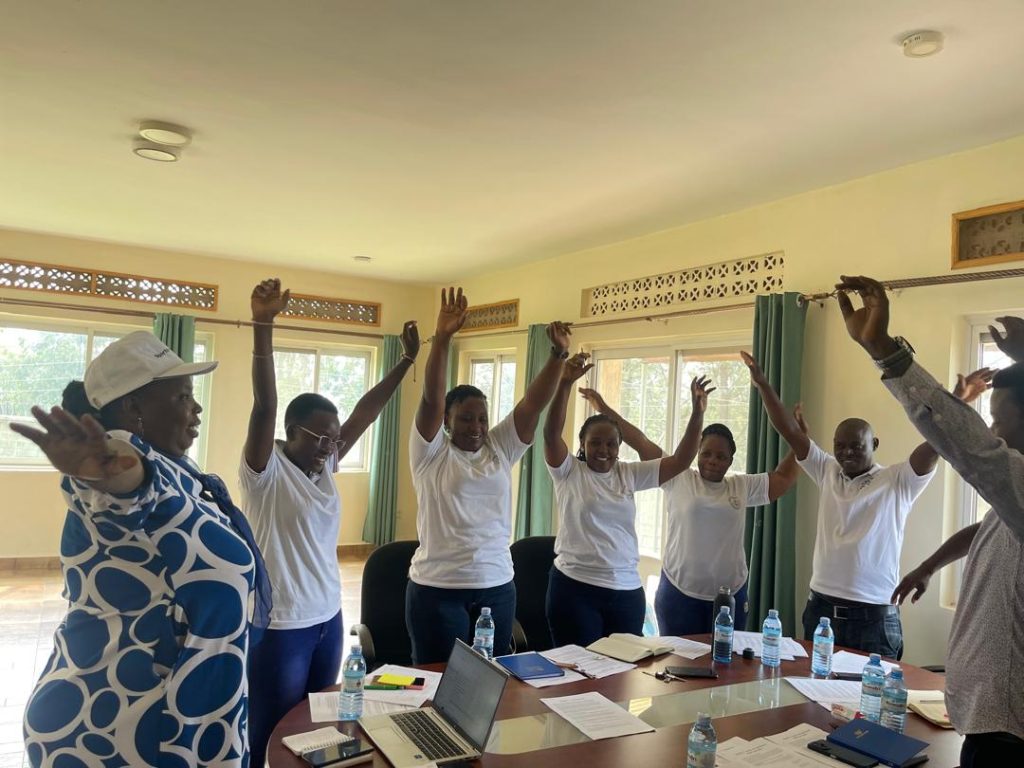
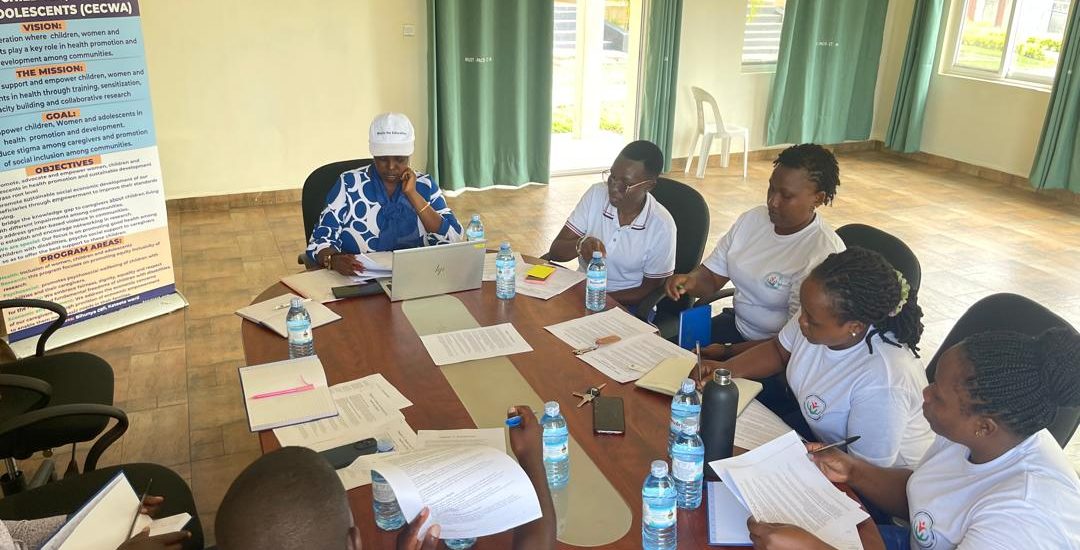
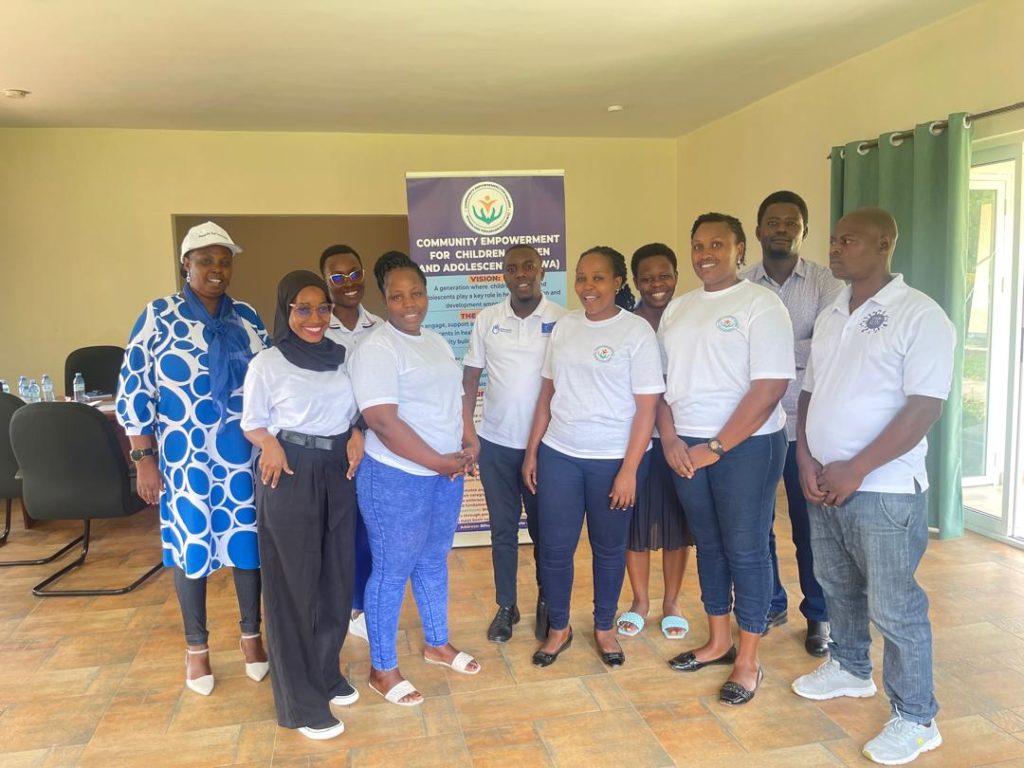
At CECWA, we recently conducted a comprehensive capacity-building training focused on reproductive health aiming to empower individuals with essential knowledge and skills that promote safe and healthy practices within our communities. This training provided a holistic approach to reproductive health with emphasis on addressing critical issues that impact the well-being of women, adolescents and families.
Key Components of the Training

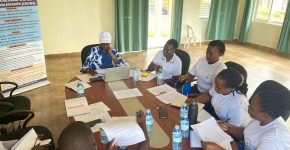
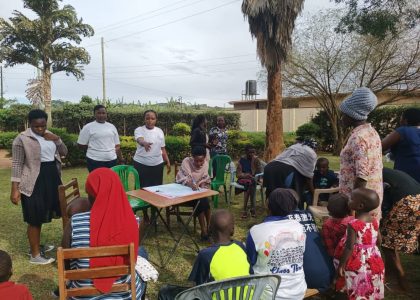
Our program covered several critical areas in reproductive health through group discussions, interactive sessions and practical case studies:

1. Safe Motherhood

We highlighted the importance of safe practices and maternal care, focusing on reducing maternal mortality and improving access to quality prenatal, antenatal and postnatal care. The training encouraged participants to recognize the essential role that supportive health services play in ensuring safe pregnancies and deliveries.

2. Family Planning

Participants were introduced to a range of family planning methods and techniques to enable informed decisions about reproductive choices. By empowering communities with knowledge on family planning, we strive to reduce unwanted pregnancies, improve maternal health and encourage responsible parenthood.

3. Adolescent Health

Recognizing the unique health challenges faced by adolescents, our training addressed both physical and mental health concerns. The discussions included topics like puberty, mental health and safe sexual practices, equipping young people with the tools to make healthy and informed decisions.

4. Prevention and Management of Unsafe Abortion

Unsafe abortions remain a significant health risk in many communities. We focused on prevention, education and proper management of cases to reduce risks and offer safer alternatives, emphasizing the importance of access to professional healthcare services.

5. Prevention and Management of STIs/HIV/AIDS

Education around sexually transmitted infections (STIs), including HIV/AIDS is vital in reducing infection rates and supporting individuals in managing their health. Our training included information on prevention strategies, early detection and available treatments.

6. Reproductive Health Cancers

The training included information on common cancers affecting reproductive organs such as cervical and ovarian cancer. Awareness and early detection were key areas of discussion empowering participants to seek screening and preventative measures.

7. Menopause and Obstetric Fistula

Menopause education is often overlooked but our training provided information on managing symptoms and maintaining health during this stage  we addressed obstetric fistula, a debilitating condition that affects many women after childbirth and ways to manage or seek treatment.

8. Gender Issues and Gender-Based Violence (GBV)

Addressing gender inequality and GBV is central to improving community health. Participants engaged in discussions on recognizing, preventing, and responding to violence  advocating for a community where everyone, especially women and children feels safe and supported.

Building Knowledge for Healthier Communities

Through this capacity-building training, CECWA aims to create a ripple effect of change, equipping individuals with the knowledge to improve their own health and educate others in their communities. This training not only empowers participants but also strengthens our collective mission to build healthier, more resilient communities where reproductive health is prioritized.

We remain committed to fostering understanding, addressing stigma and supporting individuals across all stages of life. Stay tuned for more updates on our programs and ongoing efforts to make reproductive health knowledge accessible to all.

About the Author

You may also like these